The South Moravian Region is one of the most picturesque parts of the Czech Republic. A landscape full of vineyards, historic towns, fairy-tale chateaux and natural beauty blends here with a rich history and cultural traditions. Just a short trip from Brno, you can discover UNESCO sites, the limestone peaks of Pálava and one of the largest cave systems in the country.
1.2 million
inhabitants of the South Moravian Region (rounded)
2× UNESCO
the Lednice–Valtice Cultural Landscape and Villa Tugendhat in Brno
29,000 years
the approximate age of the Venus of Dolní Věstonice
1805
the famous Battle of the Three Emperors at Austerlitz
Culture
A landscape shaped by people
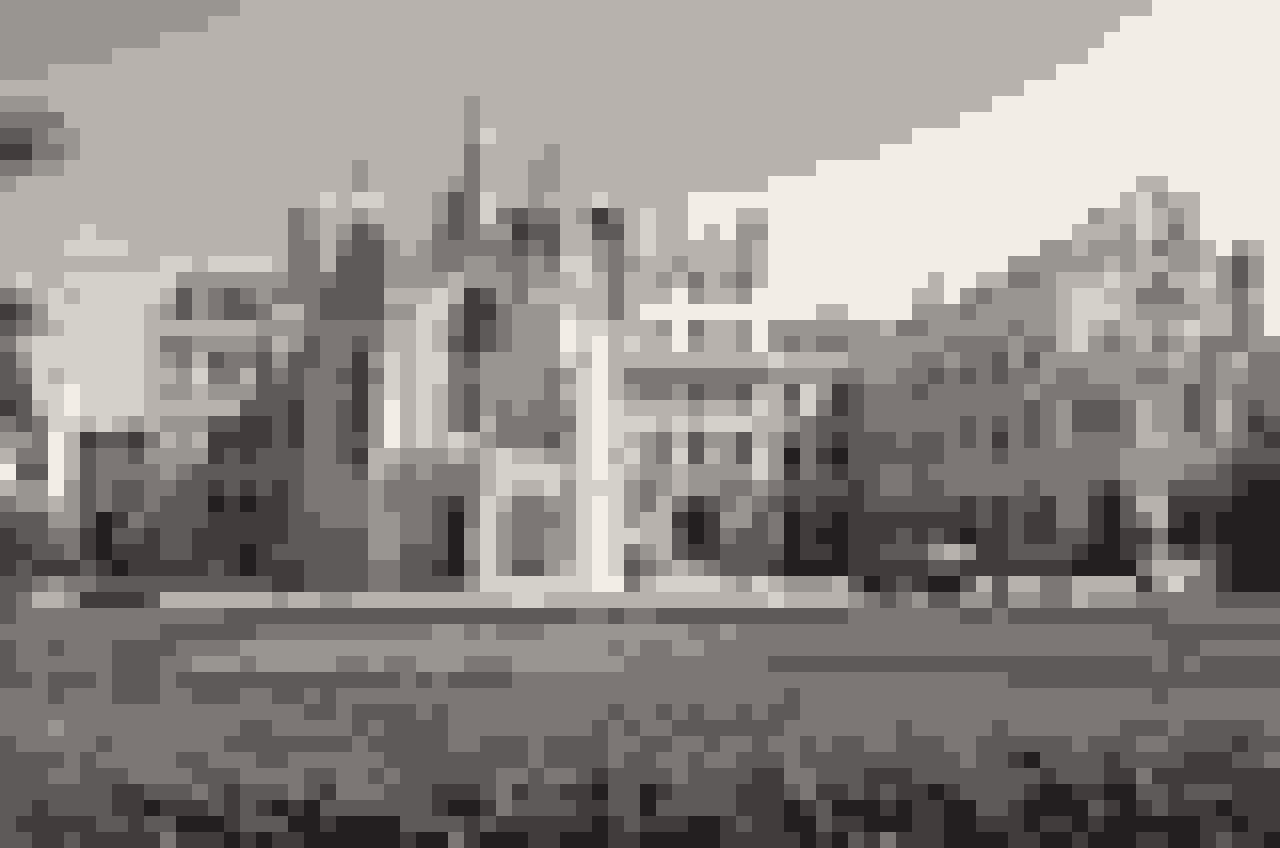
In the south of Moravia lies the Lednice–Valtice Cultural Landscape, one of the largest man-made landscapes in Europe. Over centuries, the noble Liechtenstein family built it into a unique combination of architecture, gardens and nature.
Its landmarks are the fairy-tale neo-Gothic Lednice Chateau and the Baroque Valtice Chateau, with parks, ponds and historic buildings between them – including a minaret and romantic follies. For its exceptional value, the whole area was inscribed on the UNESCO World Heritage List in 1996.
During CYENCE, participants will be able to explore one of the most important parts of the cultural and natural heritage of the Czech Republic.

Nature
A land of sun and vineyards
White limestone cliffs, wide vineyards and views across the South Moravian countryside. Pálava is one of the most beautiful natural areas of the Czech Republic and, thanks to its warm climate, home to many rare plants and animals.
The area is part of the UNESCO Lower Morava Biosphere Reserve and is known for its long winemaking tradition. The ruins of Děvičky Castle rise above the vineyards, and the nearby town of Mikulov is dominated by its historic chateau.
Participants of CYENCE will get to know this unique landscape on a joint trip.
The underground world
Beneath the surface of Moravia
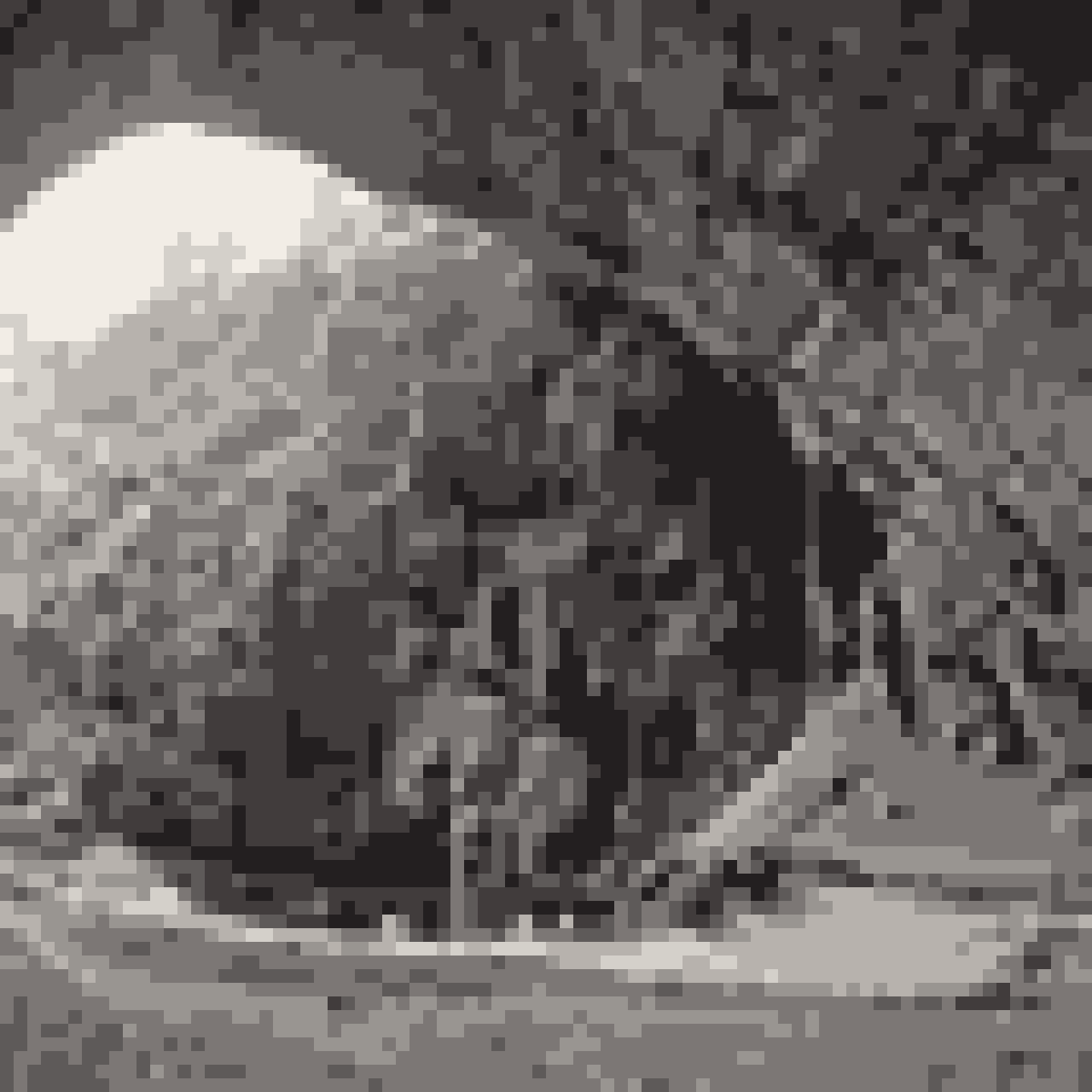
Just a few dozen kilometres from Brno lies the Moravian Karst, the largest karst area in the Czech Republic. Over millions of years, water has carved out underground caves, deep abysses and unique limestone formations.
The best-known places include the almost 140-metre-deep Macocha Abyss and the Punkva Caves, through which the underground river Punkva flows. Visitors can take a boat trip right beneath the Earth’s surface and explore a fascinating world of stalactite halls and underground passages.
29,000 years of history
Home of the mammoth hunters
At the foot of Pálava lies one of the most important archaeological sites in Europe. Tens of thousands of years ago, mammoth hunters lived here and left behind extraordinary evidence of prehistoric art, crafts and everyday life.
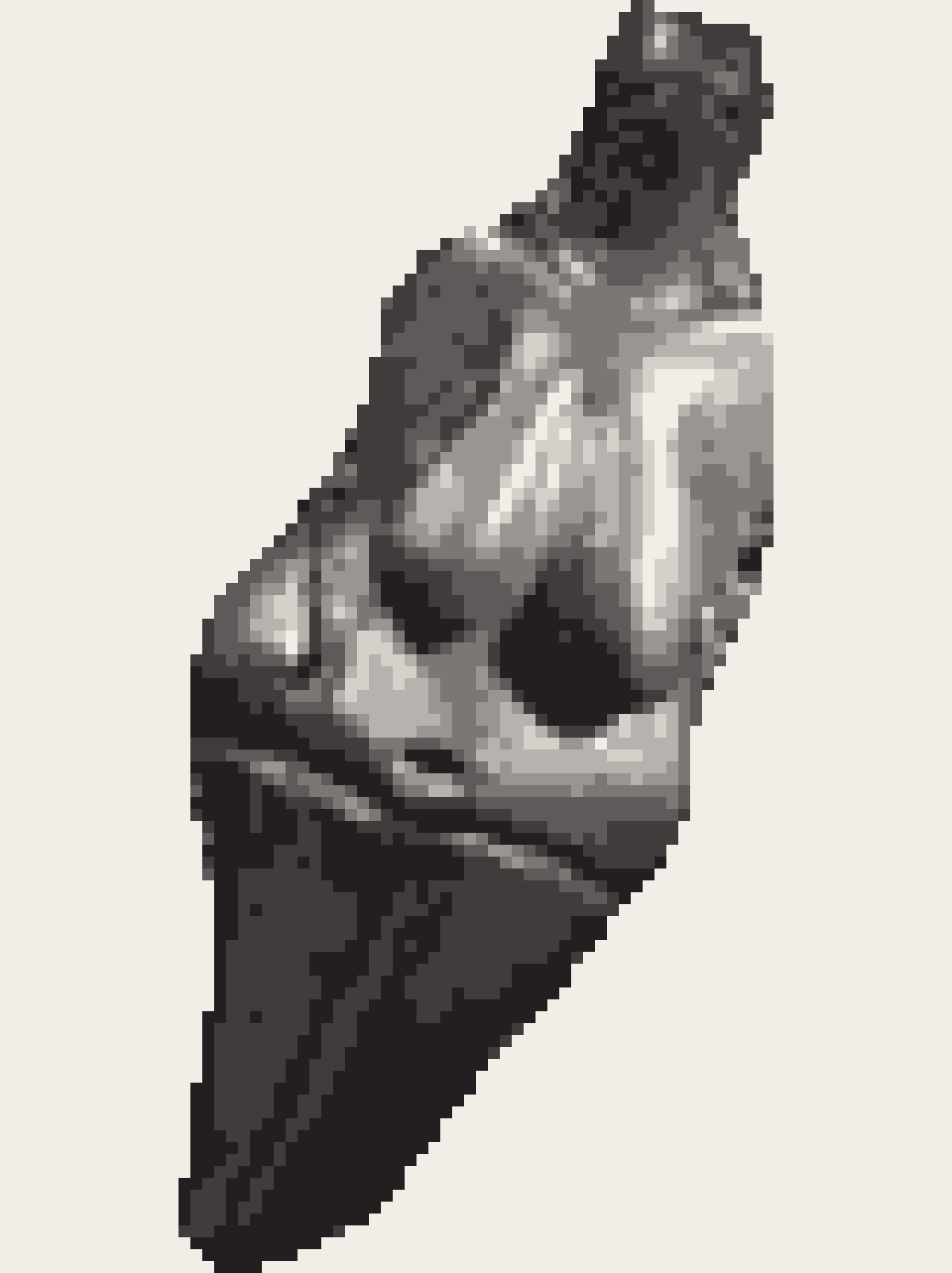
In 1925, archaeologists discovered the famous Venus of Dolní Věstonice here – a ceramic figurine about 29,000 years old and one of the oldest known ceramic artworks in the world. The find shows the surprisingly advanced skills of prehistoric people in working with clay and fire, long before the first civilisations.
Partner region