Brno
The city where genetics was born – and where the future of science and technology is being shaped today.
Brno is the second-largest city in the Czech Republic, a major university centre and one of the leading hubs of research and innovation in Central Europe. A city with a rich scientific history, today it brings together top universities, research institutions and technology companies from all over the world.
400,000+
inhabitants of the second-largest Czech city (rounded)
1865
Gregor Mendel first presents his discoveries on heredity here
3
major Brno universities involved in the CYENCE programme
70,000
students at Brno universities who will shape the world of the future
City of science
Genetics started here
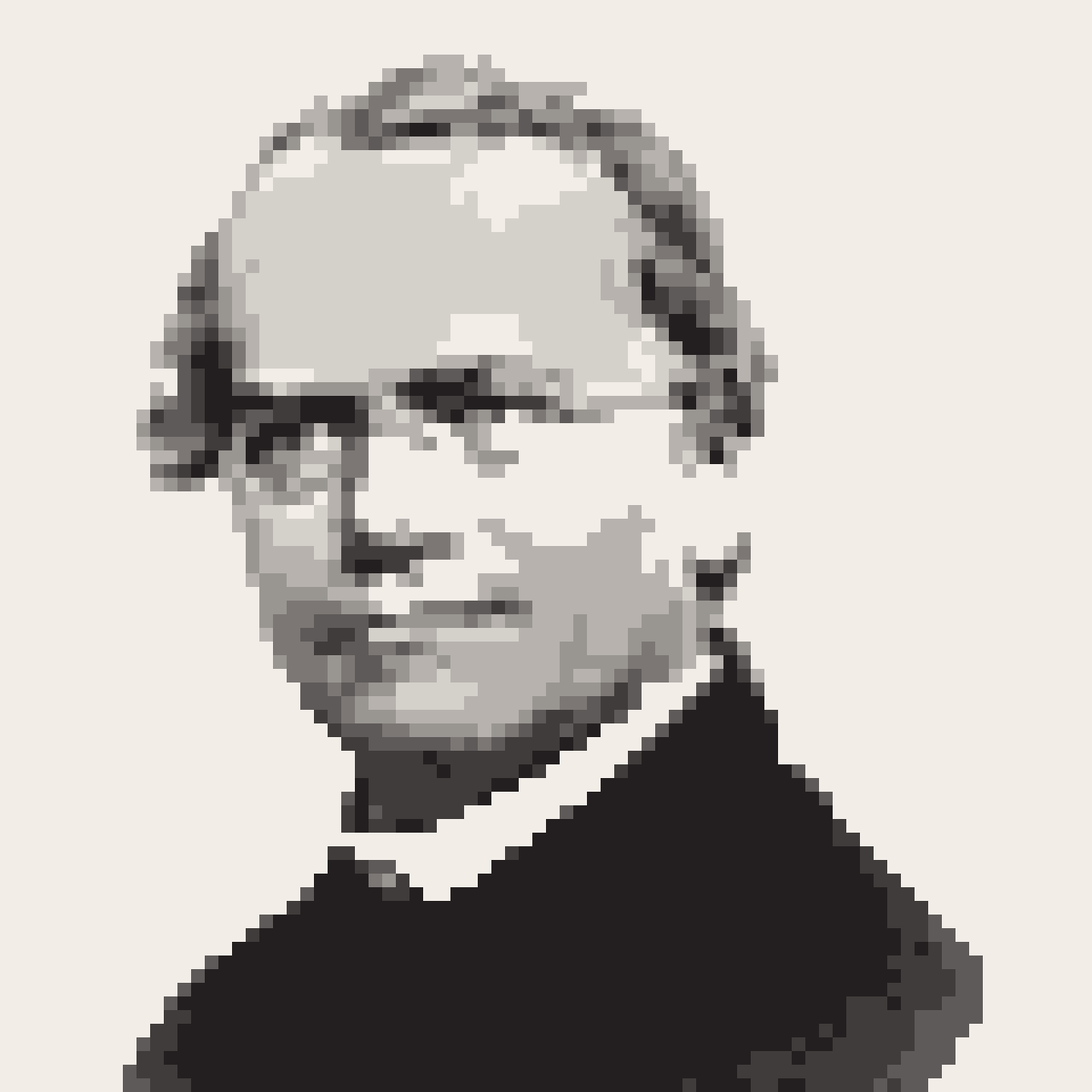
In the mid-19th century, Gregor Johann Mendel carried out his famous pea-crossing experiments in the garden of the Augustinian Abbey in Old Brno. By carefully observing thousands of plants, he uncovered the basic principles of heredity and laid the foundations of modern genetics.
He presented his groundbreaking results in Brno in 1865, but the scientific world only recognised their true significance decades later. Today Mendel is considered the father of genetics, and the place of his discoveries is commemorated by the Mendel Museum of Masaryk University.
Brno continues this scientific tradition to this day. The city where Mendel studied the heredity of plants has become a major centre of molecular biology, genetics, medicine and other fields.
Discover science up close
Three universities, one world of science
MUNI – Masaryk University
One of the most important and modern universities in the Czech Republic. It combines top research in natural sciences, medicine and computer science with a rich tradition in social sciences and humanities. Its research teams are internationally recognised in fields such as molecular biology, environmental protection, cancer research, cybersecurity and astrophysics.
VUT – Brno University of Technology
One of the leading Czech technical universities, where scientific ideas turn into new technologies. Research ranges from robotics and artificial intelligence through cybersecurity to aviation, space technology and advanced materials. VUT connects technical education with practical research and the development of innovations used in industry and everyday life.
MENDELU – Mendel University in Brno
The university that bears the name of the founder of genetics connects natural sciences with research in agriculture, forestry, food science and the environment. Its scientists look for ways to secure sustainable food production, protect natural resources and help plants adapt to climate change – in laboratories, but also in university greenhouses, forests and experimental facilities.

Research and innovation
From microscopes to space
Brno is one of the world’s centres of electron microscopy – roughly a third of the world’s electron microscopes are made here. These cutting-edge instruments let scientists examine the world in extraordinary detail, from the structure of materials to individual cells, and research institutions all over the world use them.
But local research reaches much further. Brno’s universities, research centres and technology companies take part in developing space technology, artificial intelligence, robotics and modern medical procedures. Brno connects a long scientific tradition with innovations that help shape the future.

Partner city